
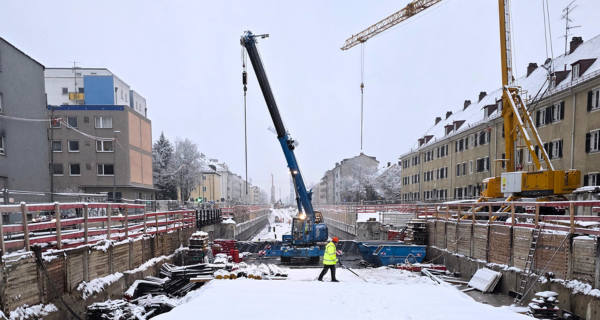
Winter does not forgive improvisation. Low temperatures, ice, and unstable weather significantly increase risks at the workplace. That is precisely why working in the cold season must be approached with greater discipline, not with a “good enough” attitude.
Below are clear and practical measures to reduce accidents and keep work activities safe.
Check working conditions before starting work
Before beginning any activity, it is essential to assess the working environment. A quick inspection can reveal hazards that are not obvious at first glance:
-
icy or wet surfaces
-
unstable areas caused by cold
-
equipment affected by low temperatures
A few minutes invested in the morning can prevent serious incidents during the day.
Limit work at height during very cold hours
The early morning hours are the most dangerous during the cold season. Ice and frost significantly increase the risk of slipping, especially for work carried out at height.
Even with protective equipment, stability is reduced. Therefore, it is recommended to postpone such activities until conditions become safer.
Wear appropriate protective equipment
Cold affects concentration, mobility, and reflexes. Without proper equipment, the risk of accidents automatically increases.
Recommended protective equipment for the cold season includes:
-
thermal gloves with good grip
-
head covering for thermal protection
-
insulating clothing worn under workwear
-
slip-resistant footwear
A well-equipped worker is a safer and more efficient worker.
Keep access routes safe
Access and circulation paths must remain clean, accessible, and free of slipping hazards.
It is important to:
-
remove snow and ice
-
use anti-slip materials
-
eliminate obstacles that could cause accidents
Safety depends not only on equipment, but also on the environment in which work is carried out.
Stay hydrated with warm, non-alcoholic drinks
Prolonged exposure to cold puts strain on the body. Regular breaks and warm drinks help to:
-
maintain body temperature
-
reduce fatigue
-
improve overall well-being
These simple measures directly contribute to preventing cold-related issues.
Adapt activities to weather conditions
Winter weather can quickly change the rules of the game. Monitoring weather forecasts is essential for proper work planning.
In the case of severe weather warnings or extreme temperatures, safety must take priority over any deadline.
The cold season brings additional challenges, but accidents are not inevitable. Through proper organization, adequate equipment, and constant attention to working conditions, risks can be significantly reduced.
Safety starts with the right decisions made at the right time. Winter should not be merely “endured”, it must be managed intelligently.